
Learn by topic or by frequency? Both — but not at the same time
Frequency is the fastest road to understanding a language. Topics are the fastest road to a particular situation. When to follow the ranking, when to step off it for a week, and how to get back on.
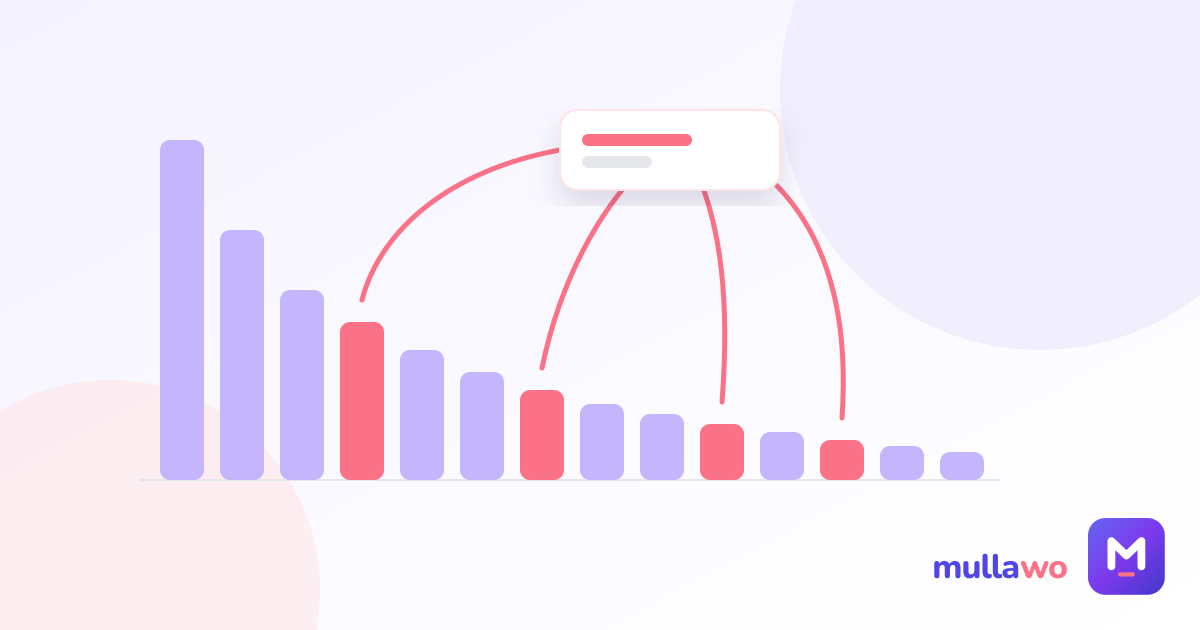
We have argued before that the order you learn words in matters more than how many you learn, and that frequency — the order people actually use words in — beats topic lists for general progress. That is still true. But "general progress" is not always what you need. Sometimes you are flying to Madrid on Friday, or starting a job in a German office next month, and luggage and invoice are suddenly worth more than although.
So the honest answer to "topic or frequency?" is: frequency by default, topics on purpose, and never both at once.
What frequency is good at
A frequency-ranked deck is built for the long game. The first thousand words of any language cover the frame of most sentences you will hear; every word you learn in that order makes the next sentence a little easier to follow. Nothing else gets you to understanding faster.
What frequency is bad at is a specific Tuesday. The words for a doctor's visit — prescription, fever, appointment — are spread out across the ranking, some in the first thousand, some far beyond it. Waiting for the ranking to reach them means waiting months.
What topics are good at
A topic gathers the words of one situation in one place: food and drink, transport, health, home, clothes, work, money. It is the right tool when the situation has a date on it — a trip, a job, an exam, a conversation you know is coming.
It is the wrong tool as a whole method. Learn a language topic by topic and you collect many words you will rarely use — turquoise, nephew, luggage carousel — while words like still and already, which belong to no topic at all, never come up.
How Mullawo lets you do both
Mullawo's deck is ranked by frequency, and that order is what you get unless you ask for something else. Asking is done from the Topics screen.
Every topic shows "Learned N of M" — how many of its words you have already brought to the learned state, counted on your own device. That number alone is useful: it tells you that you know most of Time and almost nothing of Health, before you need either.
Inside a topic, Learn these words takes that topic's words that you have not learned yet and puts them at the front of your review queue. The next sessions are that topic; when it runs out, the queue goes back to the frequency order it came from. A word you were already reviewing is simply brought forward once — its schedule is nudged, not reset. Press it on a second topic and that one goes in front of the first.
On Premium there is also Topics to study in Settings, which limits the queue to the topics you choose for as long as the setting is on — useful for a longer stretch, like the month before a move.
Inside every topic the words are still in frequency order. Even when you step off the ranking, you learn the topic's most common words first.
A sensible way to combine them
Most of the time, follow the ranking. It is the default for a reason, and the first two thousand words are worth more than any topic.
When a situation has a date, take a short detour. A week or two before the trip, open the topic, press Learn these words, and let the next sessions be about it. Do not try to finish the topic — the "Learned N of M" number will tell you when the common part is done.
Then come back. The detour is over when the situation is. The words you learned do not disappear; they stay on their own review schedule like every other card, and the ranking picks up where it left off.
Use the counts as a map. Before a new situation, look at the topic list. A topic where you have learned most of the words needs nothing; one where you have learned almost none is where the detour should go.
What to avoid
- Running several topics at once. Three topics in front of the queue is a topic list, which is the method we started by rejecting.
- Finishing topics for the sake of it. The last words of a topic are its rarest. Leave them for when the ranking reaches them.
- Never stepping off. If you are travelling next week and still drilling the general deck, the ranking is serving its own logic, not you.
Frequency is the road. Topics are the exits. Take one when you need to get somewhere — and get back on afterwards.